Industries
Shipyards, fabs, battery plants, process plants, construction and MEP contractors, and the operators of public infrastructure.
These industries look different from the outside. Inside, each runs on documents that change faster than the systems built to track them.
Industries
- I-201ShipbuildingBlocks, spools and outfitting held on one revision from design office to pipe shop.
- I-202SemiconductorsTool layouts and hookups compared revision by revision, inside the fab network.
- I-203BatteriesEach replicated line compared with its reference, station by station.
- I-204Plants & EPCP&IDs, line lists and isometrics read as one model, from bid MTO to construction.
- I-205Construction & MEPMEP quantities, clashes and progress claims counted once from the drawings.
- I-206InfrastructureDecades of drawings and inspection reports read as one history per structure.
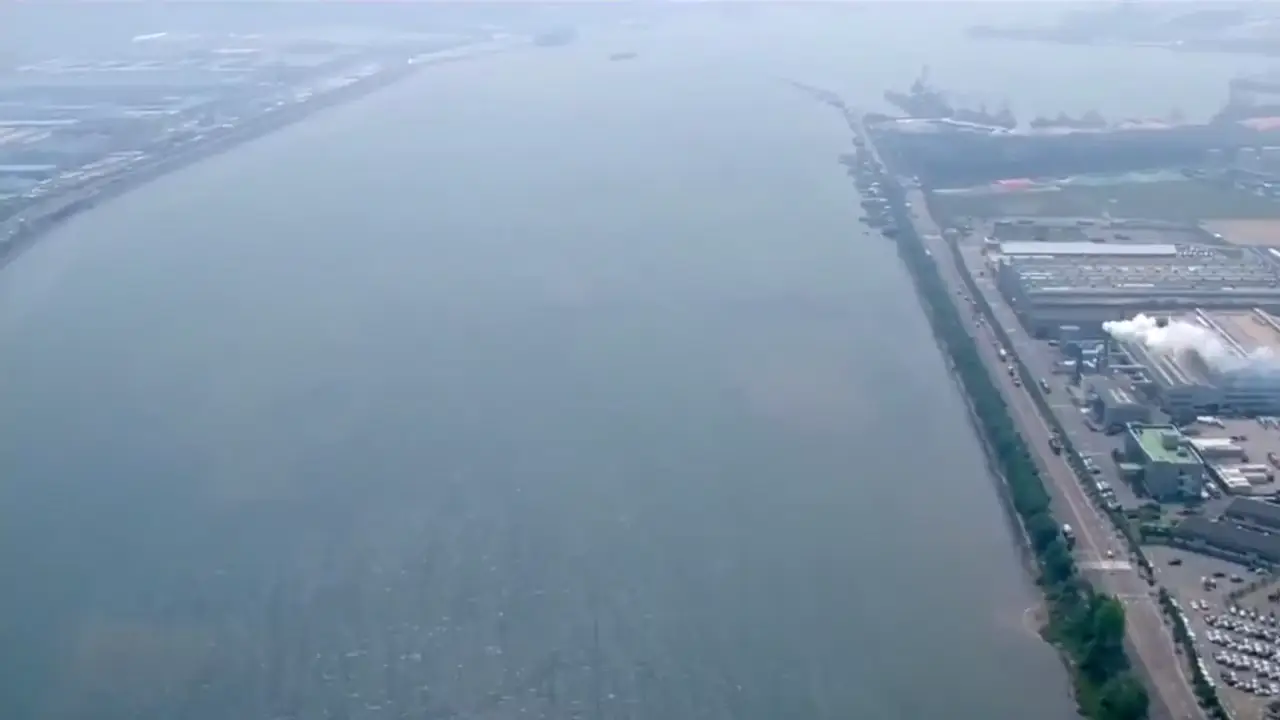
Ulsan's chemical complex runs on P&IDs drawn over decades.
Footage: 문화창조, 매일 행복하세요! · CC BY 3.0
Where the work starts
- First input
- A drawing set
- Then
- Schedules, BOMs, ERP/MES, inspections
Every plant has drawings. A small subcontractor may not have an MES or a clean ERP, but it has a drawing set, a revision log and someone who knows which sheet is current.
Drawings also carry the decisions that cost money. A spool length, a sub-fab hookup, the elevation of a cable tray: when one of these is wrong, the error shows up weeks later as rework, a claim or a missed 기성 milestone.
The first model usually comes from the drawings. Schedules, inspection records, ERP exports and equipment data then attach to the same objects, and the software moves on to the site's next problem.