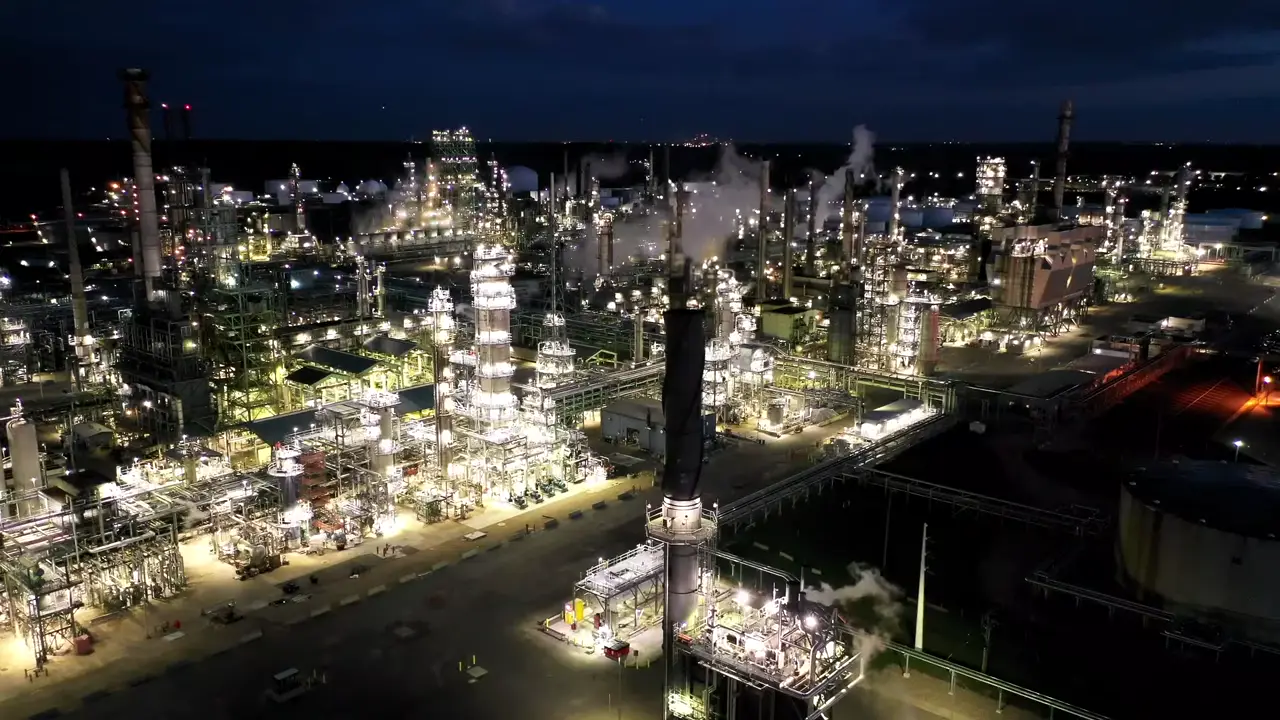
Korea builds the world's ships, chips and batteries.
Datumata builds the software they are built with.
The next fifty years of Korean industry will run on software.
Datumata is writing it.
- SHBMP-Y4 OF-14outfitting list matched to rev C, 271 items
- BATOCH-B2→MI-B1line copy: 17 sheets differ from reference
- SHBULS-Y1 B-173block erected, dock 4, outfitting 76%
- MEPICN-C2 L15sprinkler take-off recount Δ23 ea
- FABYGI-F1 PCW-HDRheader take-off recount Δ-10.1 m
- INFDJN-G4 TX-12nameplate differs from asset register
- PLTYS-P2 MTObid MTO rebuilt from rev B, 9,141 items
- SHBMP-Y4 OF-56outfitting list matched to rev E, 281 items
- BATCHJ-B1 CL-2coating line tags reconciled, 752
- SYSDATUM46 sheets read, 1,012 marks
Footage: Tom Fisk · Pexels License
Datumata is a Korean software company. Its engineers work inside shipyards, fabs, battery plants and process plants. The platforms are built from the problems they find there.
Platforms
One model of the operation
Datum builds the model from documents a company already keeps: drawings, spec books, P&IDs, line lists, BOMs, and exports from ERP and MES.
Every quantity in the model points back to the mark on the sheet it came from. The source of a number is a drawing, not a spreadsheet formula.
- Sources stay as they are, with revision history
- Quantities, BOMs and work packages come from the model, not from retyping
- Conflicts between documents surface before they reach the field
Industries
- I-201ShipbuildingBlocks, spools and outfitting held on one revision from design office to pipe shop.
- I-202SemiconductorsTool layouts and hookups compared revision by revision, inside the fab network.
- I-203BatteriesEach replicated line compared with its reference, station by station.
- I-204Plants & EPCP&IDs, line lists and isometrics read as one model, from bid MTO to construction.
- I-205Construction & MEPMEP quantities, clashes and progress claims counted once from the drawings.
- I-206InfrastructureDecades of drawings and inspection reports read as one history per structure.
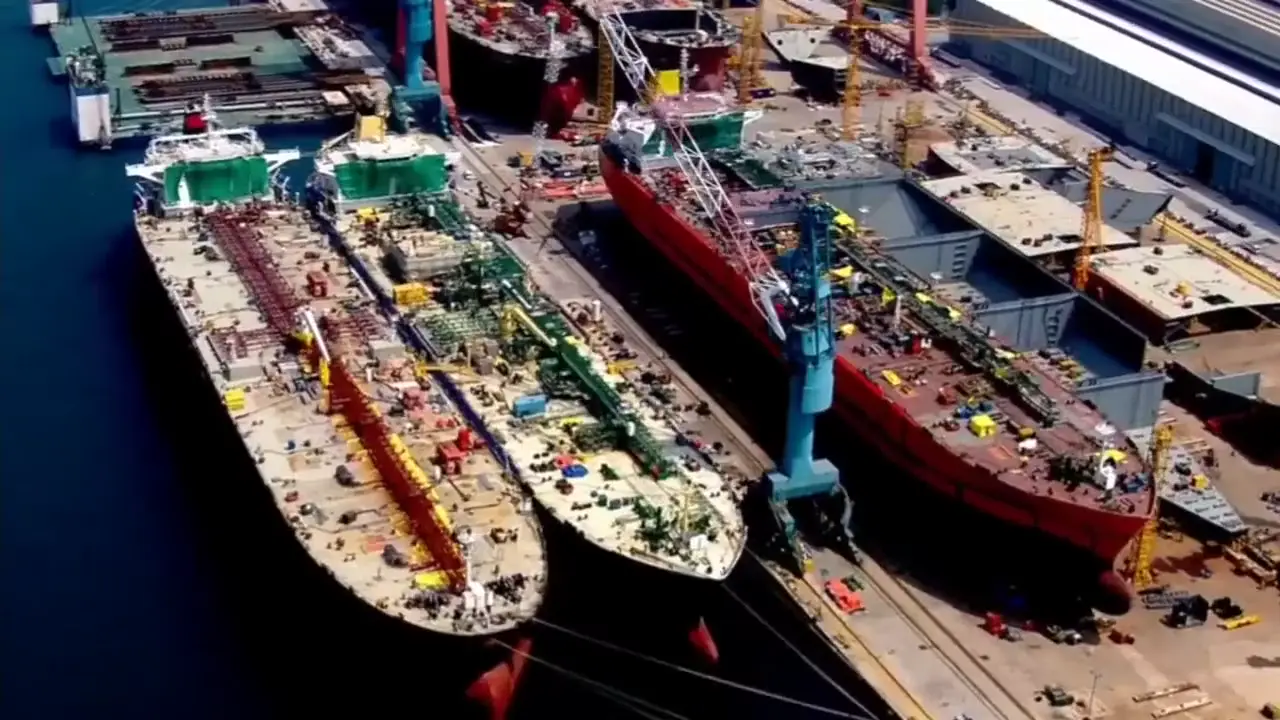
In Ulsan, a hull goes together from blocks the size of buildings.
Footage: 문화창조, 매일 행복하세요! · CC BY 3.0
How the company works
- 0.1On site
Datumata engineers work at the yard, the fab or the plant, next to the people who run it. They learn how the work moves before they write software for it.
- 0.2The hardest problem
The work starts with the operational problem that costs the site the most. The product is built backwards from it.
- 0.3Code in the field
The engineers on site write production code. A rule the site keeps without writing it down becomes a check in the software.
- 0.4Inside the network
The software runs inside the site's network, closed networks included. Nothing leaves unless the site sends it.
- 0.5Back into the platforms
What one site needed goes back into Datum, Steward and Enclave. The next site starts with it.
From the journal
- Korea builds the world's ships, chips and batteriesDatumata builds the software they are built with. Why the company exists, and why it is built here.
- Offline updates for a closed networkEnclave runs inside networks that never touch the internet. This is how its software and models are updated there without a single outbound connection.
- A week on a fab utility setA composite field note: five days with a facility team and the sub-fab utility drawings for one bay.